Best Dental Implant Practices in London
Find a Dentist
·5 min read
Some people might not know that there is an easy, painless way to fix misaligned or yellow front teeth. Veneers, made of either resin-composite or porcelain, are applied to teeth to whiten them or improve their appearance, similar to braces. We'll discuss the benefits of 4 veneers on front teeth and what options besides veneers there are for getting your best, brightest smile.
Made from resin-composite or porcelain, veneers are either molded to your teeth, like invisible braces, or sculpted to your teeth. They can either cover a chipped tooth or help whiten your whole smile.
No matter which material your veneers come from, they're easy to care for. Once veneers bond to your teeth, they become part of your teeth, so brushing and flossing is all the care they need.
Although veneers are susceptible to cracking if you grind or clench your teeth, they are still pretty strong and made to last several years. Most people cannot tell the difference between natural teeth and veneers up close. Even better, veneers, especially porcelain ones, resist staining, so they don't require as much vigilant maintenance as natural teeth.
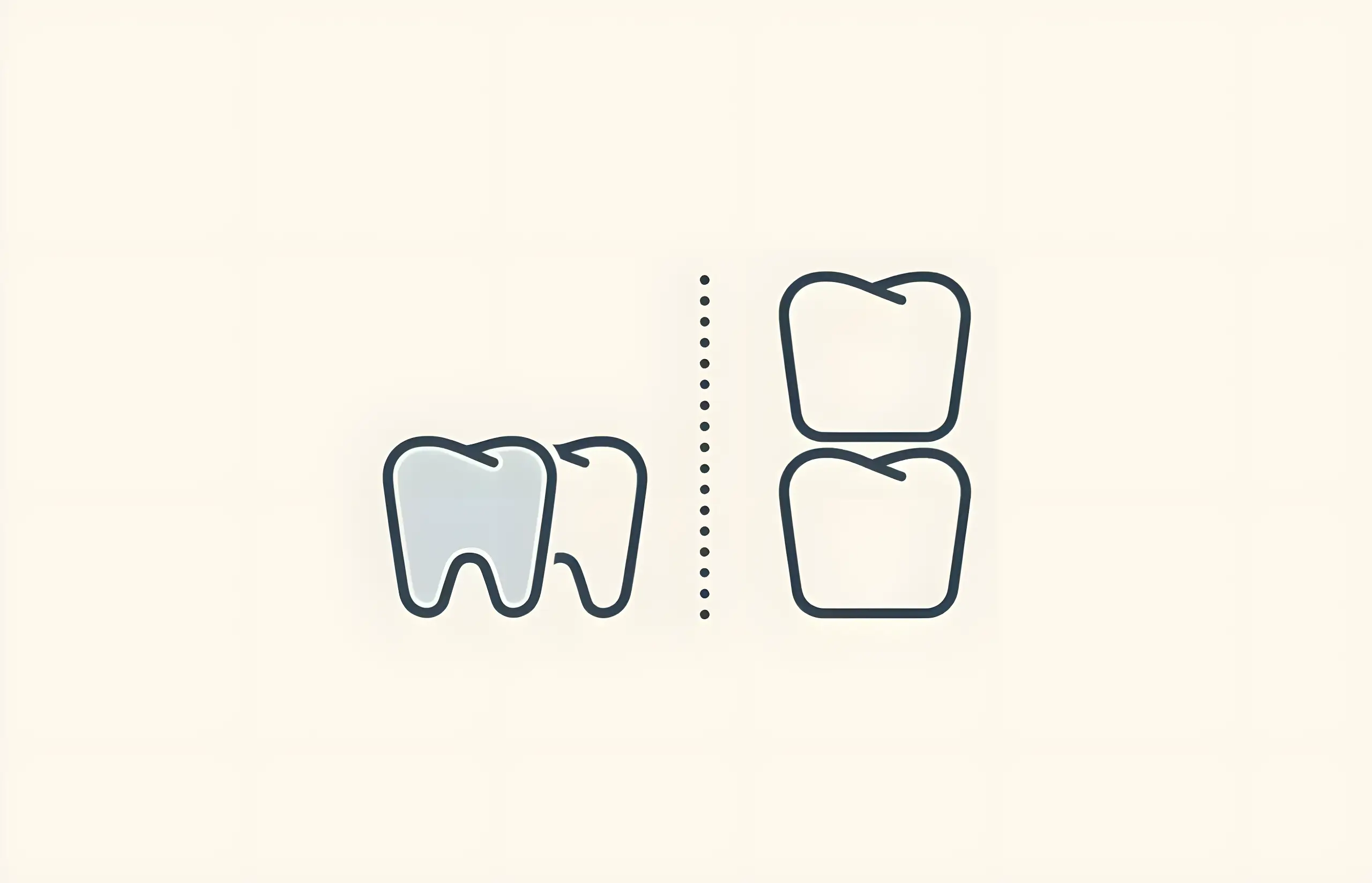
Most often, people have veneers applied on their top eight front teeth. However, some people are content having only one veneer to cover a chipped tooth. Others get as many as eight veneers (one veneer per tooth) if they want to create a more symmetrical smile.
Veneers usually go on the front teeth since they show the most when you smile. How many veneers you get will depend on cost and what your overall cosmetic dentistry goals are. Having more veneers in your mouth might make your smile more symmetrical, but maybe you'll want to go smaller and only get four for the front of your smile. Resin-composite and porcelain veneers will also have different costs.
Veneers have several benefits, but they are not the only way to achieve the smile you want. You can discuss all possible options with your dentist to find the best one for your smile.
Cosmetic bonding is a cheaper, more comfortable alternative to veneers. Your dentist will use a tooth-colored resin (the same stuff used to fill cavities) to sculpt away imperfections like cracks or tiny gaps. It's a faster alternative because the procedure happens in a single dentist visit, and you don't need any special molds made for a fitted piece. Also, cosmetic bonding usually costs about a third that porcelain veneers cost.
The only downside is that resin can break down over several years and is not quite as strong as porcelain veneers. However, cosmetic bonding might be a good stepping stone toward someday getting porcelain veneers. Plus, if the patient has insufficient enamel on their teeth, cosmetic bonding is much more comfortable.
If you need to fix just one damaged tooth, a dental crown might be a better option. Dental crowns, like porcelain veneers, are customized to fit your tooth. However, they are slightly more invasive in that your dentist might need to remove some of the tooth for a better fix. If a patient requires something more cosmetic and less invasive, dental crowns might not be the best option.
4 Veneers on front teeth can fix slight misalignments, but for severe misalignments, orthodontics might be better. Advancements in orthodontic technology now go beyond traditional metal wires. You can select either clear alignment trays or even wires that are white or teeth-colored. White or clear brackets are also options for invisible alignment correction.
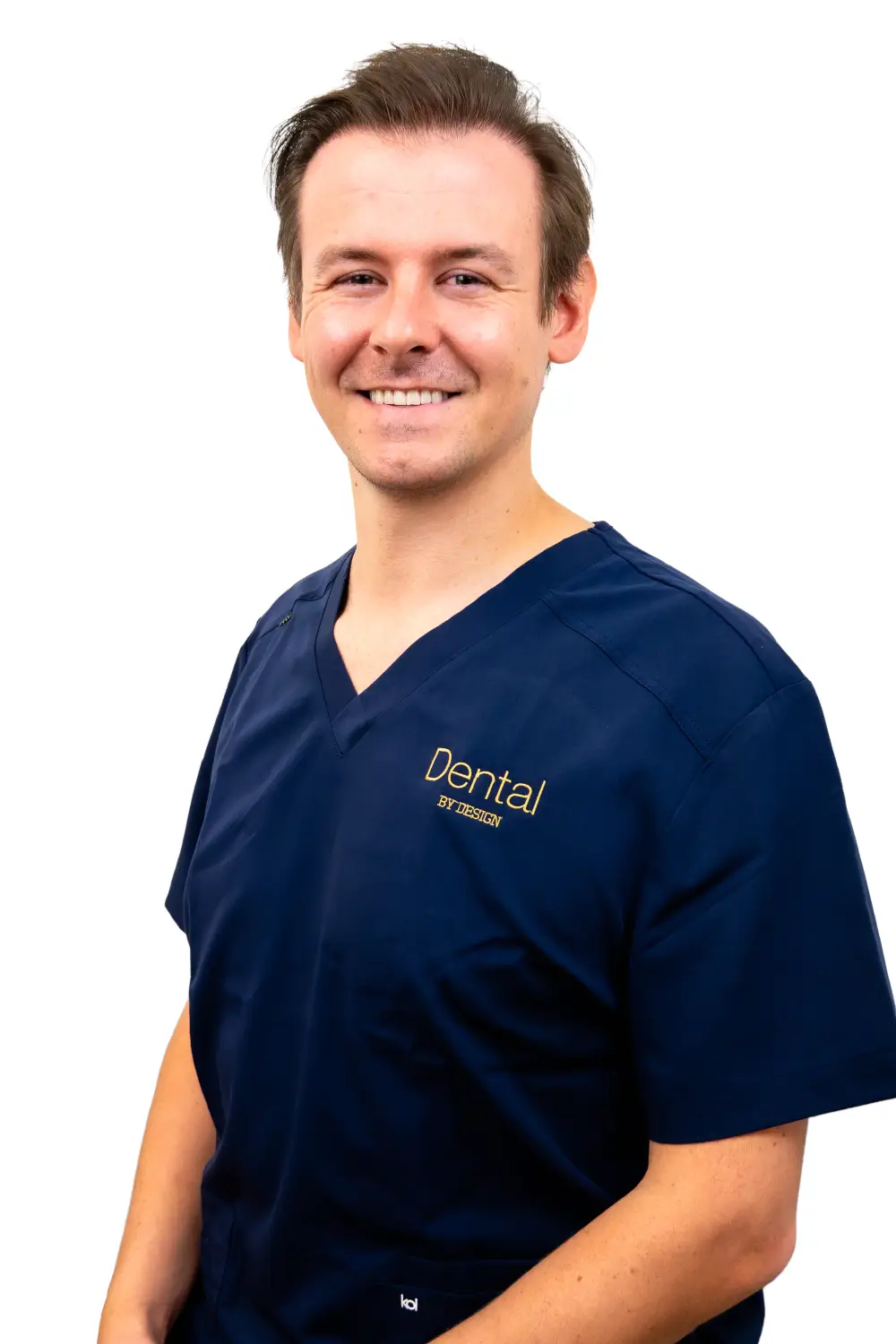
Reviewed by Dr. Nasim Mechoui , BDS (Bristol)
Award-winning cosmetic and implant dentist specializing in smile makeovers and dental implants in London.
10+ years experience
No more than one email per month. Unsubscribe anytime.
Find a Dentist
·5 min read
News
·6 min read
News
·5 min read
Braces
·9 min read