Best Dental Implant Practices in London
Find a Dentist
·5 min read
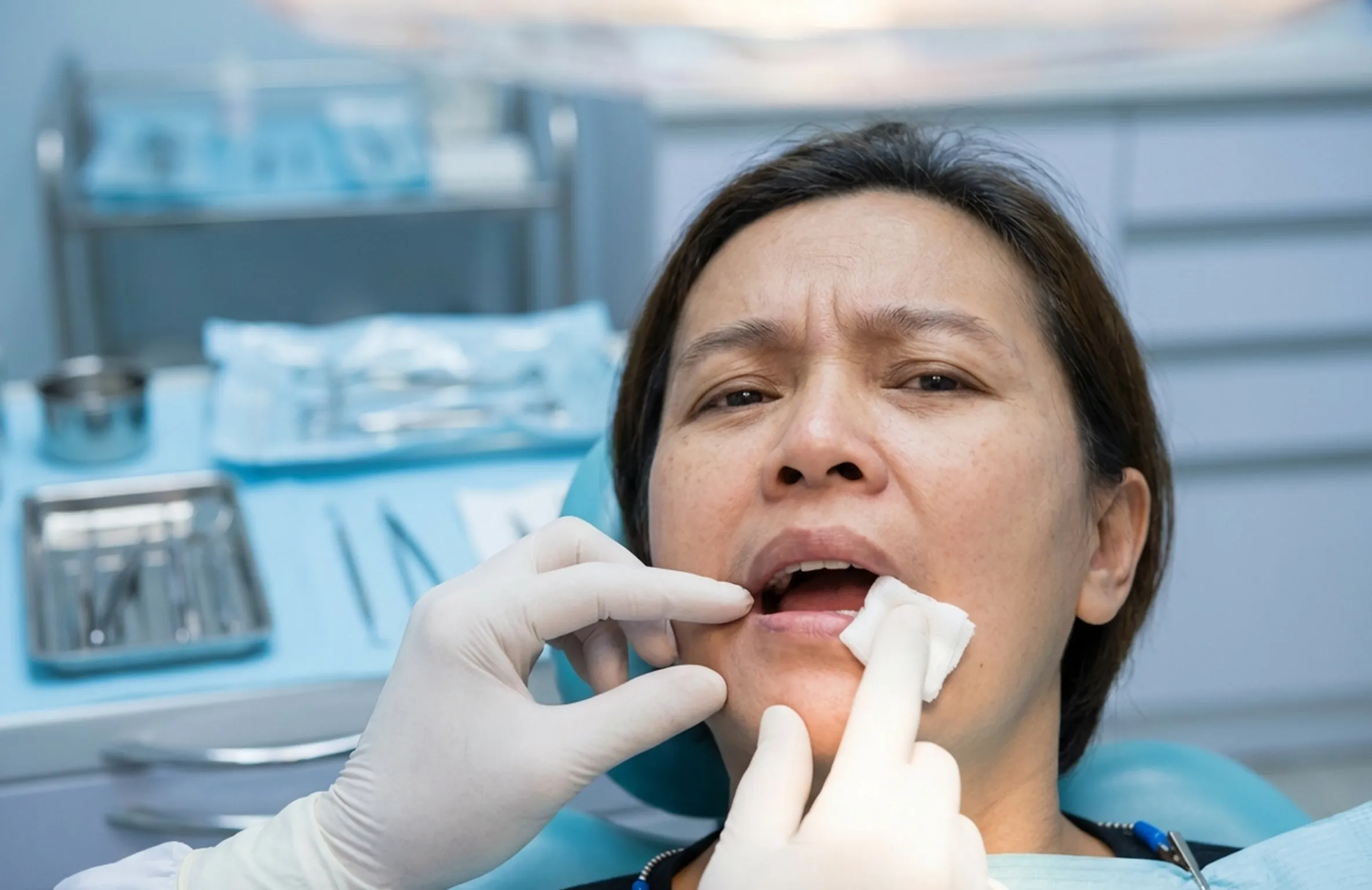
Novocaine is a common dental anesthetic used for dental procedures. When injected, it numbs the area around it and the patient doesn't feel the pain or discomfort of the dental surgery or procedure.
Sometimes people experience pain after receiving a Novocaine injection. It can be normal pain from the procedure or surgery or something more serious.
Let us look at all the causes of pain after receiving a Novocaine injection, so you can understand if you are experiencing normal pain or if you need to visit the dentist again.
When you receive an injection in your mouth and undergo a dental procedure, some amount of pain and tenderness is to be expected. It is completely normal and should go away on its own within a few days.
Pain from getting a Novocaine injection subsides within two days at most. You can use a cold compress to help relieve the pain if you find it uncomfortable.
If the pain lasts for more than two days and gets progressively worse, it is not normal pain. It could be a sign of infection at the site or you might have sustained an injury during the procedure. Go back to your dentist and get yourself examined.
This is extremely rare. Your chances of sustaining accidental nerve damage after a dental injection are 1 in 26,000-160,000. As we mentioned, minor pain is a common experience and will fade away within 2 days.
Sometimes the injection directly hits a nerve. As a result, the patient might experience prolonged anesthesia, which is numbness or lack of feeling in the area for a long time or paresthesia, a tingling or burning feeling at the site of injection.
Nerve damage itself is a very rare occurrence and in about 5% of cases of nerve damage during injection, the patient will feel a minor 'shock' at the time of injection. It doesn't last too long and is difficult to identify because it happens extremely rarely.
Commonly, patients with nerve damage caused by injection will experience bleeding around the nerve (known as hematoma), neurotoxicity from the anesthetic and damage from the needle.
In some cases, patients also experience a loss of taste. About 85% of people with nerve damage recover completely in under 8 weeks.
Some underlying conditions get worse when combined with a dental injection and start causing jaw pain. If the temporomandibular joint (TMJ) is strained and there is muscle injury from the dental procedure, you will experience jaw pain after a Novocaine injection.
Here is how it happens—you open your jaw to its maximum capacity for the procedure. During the procedure, the dental instruments might force it open a little more, going beyond its maximum range.
The pressure exerted on the jaw here causes nerve excitability and muscle strain which lasts for hours after the dental procedure.
TMJ pain should be dealt with carefully. If you ignore it, it might become a chronic condition or get worse with subsequent dental procedures. Almost 50% of patients who suffer from chronic TMJ pain believe that it was brought on by lengthy dental procedures.
Nerve damage and TMJ pain can appear quite similar. Nerve injuries cause a pins and needles sensation or tingling feeling, whereas TMJ pain will present as soreness, smaller range of motion and tenderness in the jaw muscle.
If you experience these symptoms, you should consult your dentist to see what you can do to manage the pain and prevent it from getting worse.
Novocaine or procaine hydrochloride is the most common local anesthetic used in dental procedures. Most people don't experience any side effects, but a small percentage of patients may experience the following:
A small amount of pain or discomfort is to be expected after a dental procedure. While Novocaine is not the direct cause of jaw pain, there are situations where it accidentally or coincidentally causes pain in the jaw.
It is important to be able to differentiate between normal pain and signs of more serious conditions.
Reviewed by Dr. Nasim Mechoui , BDS (Bristol)
Award-winning cosmetic and implant dentist specializing in smile makeovers and dental implants in London.
10+ years experience
No more than one email per month. Unsubscribe anytime.
Find a Dentist
·5 min read
News
·6 min read
News
·5 min read
Braces
·9 min read